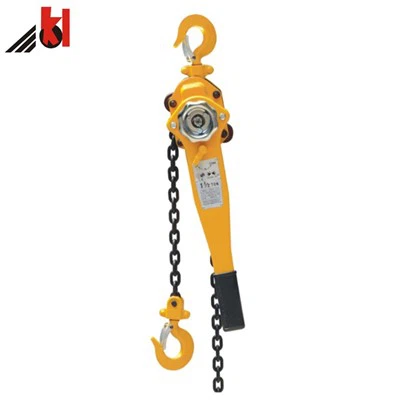
Why not use a winch as a hoist?
Introduction:
When it comes to lifting heavy loads, there are several options available. Two commonly used devices are winches and hoists. Both serve the purpose of lifting objects, but they have different designs and functionalities. While winches are primarily used to pull objects horizontally, hoists are specifically designed for vertical lifting. However, some people may wonder if a winch can be used as a hoist. In this article, we will explore the similarities and differences between winches and hoists and discuss why a winch may not be the ideal choice for vertical lifting.
Understanding Winches:
A winch is a mechanical device used for pulling or dragging heavy loads. It consists of a drum, a cable or rope, and a motorized system that drives the drum. Winches are commonly used in various industries, including off-road vehicles, boats, and construction sites. They are designed to provide strong pulling power and can handle substantial loads.
One of the critical features of a winch is its ability to spool and unwind the cable or rope. The drum, on which the cable is wound, is driven by a motor, allowing it to reel in or let out the cable as needed. This functionality makes winches perfect for applications that involve pulling objects horizontally, such as towing vehicles or hauling equipment. The pulling force generated by a winch is primarily directed in one direction, making it less suitable for vertical lifting.
Understanding Hoists:
Hoists, on the other hand, are specifically designed for vertical lifting. They consist of a hoisting mechanism, a load chain or wire rope, and a lifting hook or attachment. Hoists are widely used in industries such as construction, manufacturing, and warehouses, where heavy loads often need to be lifted to a different level or suspended in mid-air.
The design and functionality of hoists allow them to lift objects vertically with ease. They incorporate features such as a braking system, overload protection, and precise control mechanisms. Unlike winches, hoists are not primarily designed for pulling or dragging loads horizontally. Their lifting capacity and safety systems are optimized for vertical movement, making them more reliable and efficient for such applications.
Why a Winch may not be suitable for vertical lifting:
While winches and hoists may appear similar in design, they serve different purposes. Here are some reasons why a winch may not be the best choice for vertical lifting:
1. Lack of precision control: Winches are designed to pull objects with substantial force, but they do not offer the same level of precise control as hoists. When lifting heavy loads vertically, precision is crucial to ensure safety and prevent damage to the load or the surrounding environment. Hoists usually have variable speed controls, allowing operators to lift loads at a controlled pace, a feature that winches lack.
2. Different load capacity: Winches are designed to handle primarily horizontal pulling forces and are rated based on their pulling capacity. However, when it comes to vertical lifting, the load capacity of a device needs to be significantly higher. Hoists are specifically designed to handle vertical loads and are rated accordingly. Using a winch for vertical lifting may result in exceeding its load capacity, leading to equipment failure and potential hazards.
3. Safety concerns: Hoists are equipped with various safety features to ensure the safe lifting of heavy loads. These features include limit switches, anti-fall systems, and overload protection. Winches, on the other hand, do not typically include such safety mechanisms, as they are not designed for vertical lifting. This lack of safety features can pose significant risks when attempting to use a winch as a hoist.
Overall, while a winch may seem like a viable option for vertical lifting due to its pulling power, it lacks crucial features and specifications that make hoists more suitable for such applications.
The Importance of Using the Right Equipment:
In any industry or task, it is crucial to use the appropriate equipment to ensure efficiency, safety, and optimal performance. While a winch and hoist may seem similar, their designs and functionalities are tailored for specific purposes. Using the wrong equipment can lead to accidents, equipment failure, and inefficient operations.
When it comes to vertical lifting, using a dedicated hoist is essential. Hoists are designed with built-in safety features, precise control mechanisms, and higher load capacities, ensuring the safe and efficient lifting of heavy objects. By using the right equipment, operators can minimize risks, increase productivity, and prolong the lifespan of their lifting devices.
Conclusion:
In conclusion, while a winch and hoist may appear similar in design, their functionalities and purposes differ significantly. Winches are primarily used for pulling objects horizontally, while hoists are specifically designed for vertical lifting. Attempting to use a winch as a hoist may lead to safety hazards, lack of control, and potential equipment failure.
It is crucial to understand the specific requirements of a lifting task and choose the appropriate equipment accordingly. By using dedicated hoists for vertical lifting, operators can ensure the safety of the load, the surrounding environment, and personnel involved in the lifting operation. Remember, using the right equipment is always the best practice when it comes to lifting heavy objects.