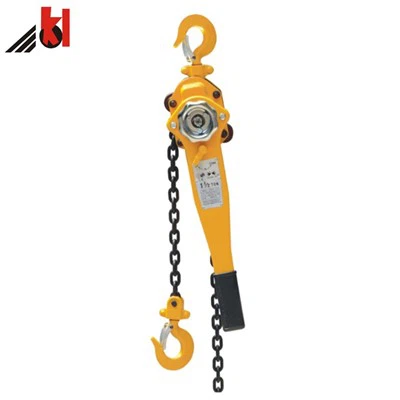
What is the difference between plain and geared trolleys?
When it comes to material handling equipment, trolleys are essential for transporting goods in a smooth and efficient manner. But not all trolleys are created equal. There are two main types of trolleys: plain and geared. In this article, we will explore the differences between plain and geared trolleys and help you decide which one is suitable for your needs.
**What is a plain trolley?
A plain trolley is a simple and cost-effective material handling solution that utilizes a manual hand chain to move loads horizontally on an I-beam track. It is usually constructed of durable, lightweight steel and features a load-bearing capacity ranging from 0.5 to 20 tonnes for standard models. The plain trolley is designed for use in factories, warehouses, and other industrial settings.
**What is a geared trolley?
Geared trolleys are similar to plain trolleys, but they have an additional feature: a geared mechanism that enables them to move heavier loads with less effort. Geared trolleys are also constructed of steel, but with gears and chains that allow for smoother movement. They are generally more expensive than plain trolleys, but they compensate for the additional cost with increased efficiency and load-bearing capacity.
**Load-bearing capacity
The biggest difference between plain and geared trolleys is their load-bearing capacity. Plain trolleys typically have a load capacity of up to 20 tonnes, which is sufficient for most light to medium-duty applications. Geared trolleys, on the other hand, can handle much heavier loads of up to 50 tonnes. This makes them ideal for heavy-duty applications such as construction sites, shipyards, and other heavy industrial settings.
**Efficiency
Geared trolleys are also more efficient than plain trolleys when it comes to moving heavier loads. The geared mechanism allows for smoother movement and requires less physical effort to move the load horizontally. This not only saves time and energy but also reduces the risk of operator fatigue and injury.
**Complexity
While geared trolleys are more efficient, they are also more complex than plain trolleys. The geared mechanism requires more maintenance and may need occasional repair to ensure optimal performance. Plain trolleys, on the other hand, are simple and easy to maintain, with fewer parts that can break down. This makes them ideal for companies with limited resources for repair and maintenance.
**Cost
Plain trolleys are generally less expensive than geared trolleys. This makes them an ideal option for companies with a tight budget for material handling equipment. However, the cost difference between plain and geared trolleys depends on the load-bearing capacity and other features of the trolley. In general, as the load-bearing capacity and efficiency increase, so does the cost.
**Application
Choosing between a plain or geared trolley depends largely on the application. Plain trolleys are ideal for light to medium-duty applications such as warehouses, storerooms, and manufacturing facilities. They are cost-effective and provide a simple and reliable method of transporting goods horizontally. Geared trolleys, on the other hand, are better suited for heavy-duty applications such as construction sites, shipyards, and other heavy industrial settings. They can handle heavier loads and provide smoother movement, making them ideal for applications where efficiency and safety are paramount.
**Conclusion
In conclusion, the main difference between plain and geared trolleys is their load-bearing capacity, efficiency, complexity, cost, and application. Plain trolleys are simple, easy to maintain, and cost-effective, making them ideal for light to medium-duty applications. Geared trolleys, on the other hand, are more complex, efficient, and expensive, but can handle heavier loads and provide smoother movement, making them ideal for heavy-duty applications. When choosing between a plain or geared trolley, it is important to consider the application, load-bearing capacity, and other features to ensure optimal performance and safety.