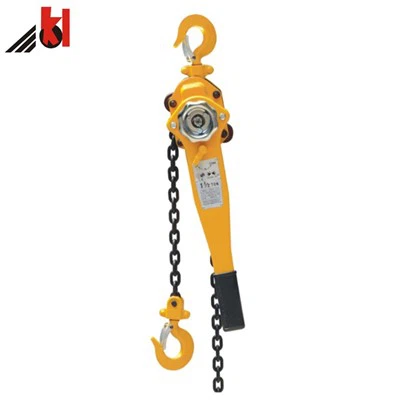
When must chain slings be discarded?
Introduction
Chain slings are an essential tool for many industrial jobs, including rigging, lifting and securing loads. As with any equipment, chain slings have a finite lifespan and should be monitored regularly to ensure they are safe to use. The consequences of a failed chain sling can be severe and result in injury, damage to equipment, or even loss of life. Therefore, it is crucial to know when a chain sling must be discarded. This article will explore the factors that determine the end of a chain sling''s useful life.
Factors that affect chain sling lifespan
The lifespan of a chain sling depends on various factors, including the degree of wear, corrosion, fatigue, overload, and misalignment. If any of these factors are present, it can weaken the chain sling and increase the risk of failure. Regular inspection and proper maintenance can help prolong the life of a chain sling. Let us discuss each of these factors in detail.
Wear
Wear is one of the most common factors that lead to chain sling failure. Chain slings are subjected to friction, abrasion, and impact during use, which can cause wear on the chain links. Over time, the wear can cause elongation or deformation of the chain links, which can weaken the sling and increase the risk of failure. To assess the degree of wear, inspect the chain links for elongation, deformation, cracks, or other signs of damage.
Corrosion
Corrosion is another significant factor that can reduce the lifespan of a chain sling. Exposure to moisture, chemicals, or other corrosive substances can cause rust, pitting, or other forms of corrosion on the chain links. Corrosion weakens the metal and makes it vulnerable to failure. Inspect the chain links for signs of corrosion, such as discoloration, rust, or pitting.
Fatigue
Fatigue is the progressive weakening of a material due to repeated stress cycles. Chain slings are subjected to cyclic loading during use, which can cause fatigue failure. Over time, the metal can develop tiny cracks that grow into larger cracks, eventually leading to the failure of the chain sling. Inspect the chain links for signs of fatigue, such as cracks or other damage.
Overload
Overloading a chain sling beyond its rated capacity can cause instant failure. Even a single overload can cause permanent damage to the chain links that cannot be repaired. To prevent overloading, always check the weight of the load before lifting it and use a chain sling with an appropriate capacity.
Misalignment
Misalignment occurs when the chain sling is not aligned correctly with the load, causing a bending stress that can lead to failure. Always position the chain sling in a straight line with the load to avoid misalignment.
How to determine when to discard a chain sling
Chain slings must be discarded when they reach the end of their useful life or when they fail inspection. It is preferable to replace the chain sling before it fails in service, as failure can have severe consequences.
The manufacturers of chain slings provide guidelines on the frequency of inspection, the criteria for rejection, and the expected lifespan of the sling. Adhere to these guidelines to ensure the safety of the equipment.
If any of the factors mentioned above are present, it is best to discard the chain sling. Signs of elongation, deformation, cracks, or other damage can indicate wear, corrosion, fatigue, or overload. Signs of rust, pitting, or other forms of corrosion can indicate corrosion. Signs of cracking or other damage can indicate fatigue. Always assess the chain sling based on the inspection criteria provided by the manufacturer.
Conclusion
In conclusion, chain slings are essential industrial tools that require regular inspection and proper maintenance to ensure they remain safe to use. The lifespan of a chain sling is affected by various factors, including wear, corrosion, fatigue, overload, and misalignment. To determine when to discard a chain sling, inspect it regularly and adhere to the inspection criteria and lifespan guidelines provided by the manufacturer. Signs of wear, corrosion, fatigue, overload, or misalignment can indicate that the chain sling has reached the end of its useful life and must be discarded. Always prioritize safety when using chain slings, as the consequences of failure can be severe.