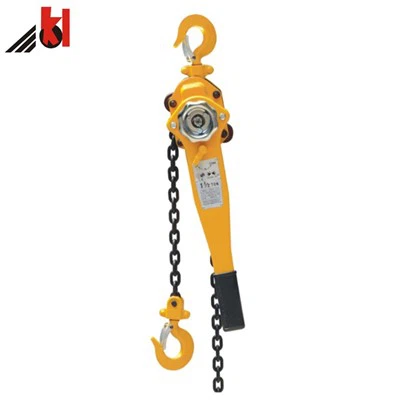
What are the disadvantages of chain hoist?
Chain hoists are powerful tools used for lifting and moving heavy loads in various industries. They are designed to provide a reliable and efficient method of material handling. However, like any other equipment, chain hoists also have their disadvantages. In this article, we will explore some of the common disadvantages of chain hoists and their potential impact on work efficiency and safety.
1. Limited Lifting Height
One of the primary disadvantages of chain hoists is the limited lifting height they offer. Most chain hoists have a maximum lifting height of up to 20 feet, which might not be sufficient for certain applications. In industries where vertical lifting height is a crucial factor, such as construction or warehousing, this limitation can pose challenges.
To overcome this limitation, additional equipment like overhead cranes or other lifting devices may be required. This can increase costs and complicate the lifting process, especially when working in tight spaces or confined areas.
2. Slow Lifting Speed
Another disadvantage of chain hoists is their relatively slow lifting speed compared to other lifting devices. Chain hoists typically have a lifting speed of around 8-10 feet per minute. While this speed might be adequate for certain applications, it can be a hindrance when time-sensitive tasks or large volumes of material need to be moved quickly.
The slow lifting speed can result in delays and decreased productivity, especially in industries that rely on fast-paced operations. It may also cause workers to engage in unsafe practices, such as rushing to meet deadlines, increasing the risk of accidents and injuries.
3. Manual Operation
Chain hoists often require manual operation, which can be physically demanding and time-consuming. Workers need to control the hoist by pulling the hand chain or operating a hand lever, requiring considerable effort. This can lead to fatigue and strain, especially when lifting heavy loads for an extended period.
Manual operation also restricts the lifting capacity of chain hoists. Workers with limited physical strength may find it challenging to operate the hoist efficiently, potentially leading to accidents or improper handling of loads. Moreover, the risk of repetitive strain injuries increases when workers engage in frequent manual lifting.
4. Limited Load Capacity
Chain hoists usually have a limited load capacity, typically ranging from 0.5 to 10 tons. While this capacity might be suitable for many applications, it may not be sufficient for heavy-duty lifting tasks. Industries that frequently handle exceptionally heavy loads, such as shipbuilding or steel manufacturing, may require more robust lifting equipment.
In such cases, using multiple chain hoists in tandem or switching to alternative lifting methods, such as hydraulic cranes or gantry systems, becomes necessary. However, these alternatives often come with higher costs, and their setup might be challenging in certain work environments.
5. Lack of Precision Control
Chain hoists offer limited precision control during the lifting process. Unlike electric hoists or crane systems, chain hoists do not provide advanced features like variable speed control or fine positioning. As a result, delicate or intricate lifting operations, such as aligning components or fitting machinery, can be challenging.
The lack of precise control can lead to accidents, damage to materials, or workplace disruptions. Workers may need to rely on additional equipment or manual adjustments to achieve the desired positioning, further complicating the lifting process and potentially slowing down operations.
6. Noise and Vibration
Chain hoists generate noise and vibration during operation. The rattling sound of the chain and the mechanical movement can be distracting and uncomfortable for workers, primarily when working in close proximity to the hoist. Prolonged exposure to excessive noise and vibration may lead to hearing loss, fatigue, and decreased concentration.
To address these issues, employers should provide proper hearing protection and ensure that workers take regular breaks to reduce the risk of long-term health effects. Soundproofing measures can also be implemented in the workspace to minimize noise pollution and create a more comfortable working environment.
7. Maintenance and Inspection
Proper maintenance and regular inspection are essential for the safe and efficient operation of chain hoists. However, these tasks can be time-consuming and require skilled personnel. Neglecting maintenance or failing to conduct thorough inspections can lead to equipment breakdowns, unplanned downtime, and potential accidents.
Maintenance procedures for chain hoists may include lubricating the chain, inspecting hooks and chains for wear and tear, checking electrical components (if applicable), and verifying load capacity labels. It is crucial to follow the manufacturer''s guidelines and schedule routine maintenance to ensure the hoist''s longevity and safe operation.
8. Safety Hazards
Although chain hoists are designed with safety features, they still pose certain risks if not used correctly. The manual operation of the hoist, coupled with the potential for human error, increases the likelihood of accidents. Improper rigging, exceeding load capacity, or failing to secure the load properly can result in load drops, equipment damage, and injuries to workers.
Additionally, the reliance on manual operation increases the risk of repetitive strain injuries, especially when workers repeatedly engage in lifting heavy loads. Ergonomic considerations, such as providing appropriate lifting aids or training workers in proper lifting techniques, can help mitigate these risks.
Conclusion
While chain hoists offer many benefits in terms of material handling, it is essential to consider their limitations and potential disadvantages. The limited lifting height, slow lifting speed, manual operation, limited load capacity, lack of precision control, noise, vibration, maintenance requirements, and safety hazards are factors that need to be taken into account.
Despite these disadvantages, chain hoists remain valuable tools in various industries. By understanding their limitations and working around them, businesses can ensure the safe and efficient use of chain hoists while considering alternative lifting methods when necessary.