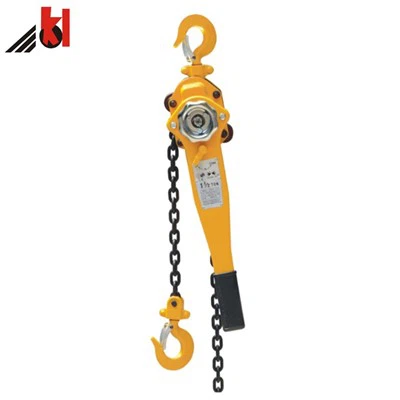
What is a pulling winch?
A pulling winch is a mechanical device used to exert force and pull objects. It is commonly used in various industries, including construction, forestry, marine, and transportation. The pulling winch consists of a drum or drum-like structure, a motor or power source, and a cable or rope. This device is designed to provide mechanical advantage and facilitate the towing or pulling of heavy loads.
Components of a pulling winch
The primary components of a pulling winch are as follows:
1. Drum: The drum is a cylindrical or spool-like structure around which the cable or rope is wound. It is the core component responsible for storing and releasing the cable as required during the pulling operation.
2. Motor or Power Source: The motor or power source provides the energy required to operate the winch. It can be an electric motor, hydraulic motor, or even an internal combustion engine, depending on the specific application and requirements.
3. Cable or Rope: The cable or rope is the means by which the pulling force is exerted on the object. It is usually made of steel or synthetic materials like nylon or polypropylene. The choice of material depends on factors such as strength, durability, and resistance to weather conditions.
4. Control System: The pulling winch is controlled using a system that enables the operator to start, stop, and adjust the pulling force. This control system can be manual, hydraulic, or electric, depending on the type of winch.
Types of pulling winches
There are various types of pulling winches available, each designed for specific applications. Some of the commonly used types include:
1. Electric Winch: This type of winch is powered by electricity and is widely used due to its ease of use and availability. Electric winches are commonly found in off-road vehicles, recovery operations, and small-scale applications.
2. Hydraulic Winch: Hydraulic winches are powered by hydraulic systems, typically found in heavy-duty applications. They provide high pulling forces and are commonly used in industries such as construction, forestry, and maritime operations.
3. Pneumatic Winch: Pneumatic winches use compressed air as their power source. They are commonly found in hazardous or explosive environments where electricity or hydraulic systems may pose a safety risk.
4. Hand Winch: Hand winches are manually operated and do not require any external power source. They are often used in small-scale applications or situations where power sources are not available.
Applications of pulling winches
Pulling winches find applications in various industries due to their ability to exert high pulling forces. Some notable applications include:
1. Construction: Pulling winches are commonly used in construction sites for tasks such as lifting heavy construction materials, pulling equipment, or assisting in excavation operations.
2. Forestry: In the forestry industry, winches are used for skidding logs and pulling them from one location to another. This helps in efficient timber harvesting and reduces manual labor requirements.
3. Maritime: Winches are widely used in maritime operations, such as docking or mooring boats, pulling or dragging heavy anchors, or assisting in rescue operations.
4. Off-Road Vehicles: Many off-road vehicles are equipped with winches to aid in self-recovery or assisting other vehicles in challenging terrains.
5. Transportation: Winches are commonly used in the transportation industry for tasks such as loading and unloading cargo, securing loads on trailers or flatbeds, or recovering vehicles stuck in unfavorable conditions.
Safety considerations
Using a pulling winch involves certain safety considerations to ensure the well-being of operators and the protection of the surrounding environment. Some important safety guidelines to follow include:
1. Proper Training: Operators should receive proper training on how to safely operate the winch, including understanding the controls, load capacity, and potential risks associated with its use.
2. Regular Maintenance: Winches should be regularly inspected and maintained to ensure their proper functioning. This includes checking the cables or ropes for any signs of wear, ensuring proper lubrication, and inspecting control mechanisms.
3. Load Capacity: Operators should always adhere to the recommended load capacity limits specified by the manufacturer. Overloading the winch can lead to mechanical failures or accidents.
4. Personal Protective Equipment (PPE): Operators should wear appropriate PPE, such as gloves and safety goggles, to protect themselves from potential injury during winch operation.
5. Safe Operating Distance: Operators and bystanders should maintain a safe distance from the winch during operation to avoid being inadvertently caught in the cable or rope.
Conclusion
In conclusion, a pulling winch is a powerful mechanical device used to exert force and pull heavy objects. It is widely used in various industries for tasks ranging from construction and forestry to maritime and transportation. Understanding the components, types, and safety considerations associated with pulling winches is crucial to ensure their safe and effective operation. By following proper procedures and guidelines, operators can harness the power of pulling winches to accomplish challenging tasks efficiently.