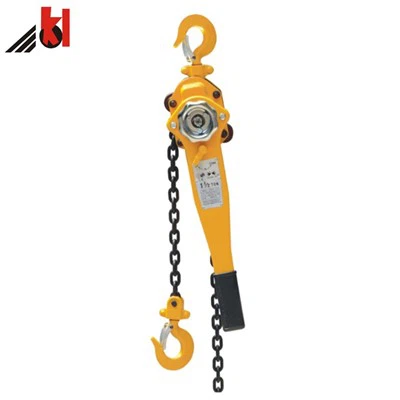
What are lifting clamps for?
Lifting clamps are essential mechanical devices used in various industries for lifting and handling heavy objects. These clamps are designed to securely grip loads of different shapes and sizes, providing a safe and efficient method of lifting and transporting materials. With their robust construction and reliable design, lifting clamps have become indispensable tools in numerous applications. In this article, we will explore the different types of lifting clamps, their functions, and their importance in various industries.
Types of Lifting Clamps
Lifting clamps come in a variety of designs and configurations, each tailored to handle specific types of loads. Here are some commonly used types of lifting clamps:
1. Vertical Lifting Clamps: These clamps are primarily used for lifting vertical loads such as steel plates, sheets, and beams. They typically feature a hinged mechanism that allows them to maintain a secure grip on the load while lifting.
2. Horizontal Lifting Clamps: As the name suggests, these clamps are designed for lifting loads horizontally. They are commonly used in industries like construction and shipbuilding, where heavy materials need to be rotated or positioned during the lifting process.
3. Beam Clamps: Beam clamps are specifically designed for lifting loads attached to beams or I-beams. They often come with adjustable jaws to accommodate different beam sizes.
4. Pipe Clamps: Pipe clamps are used for lifting and handling cylindrical objects such as pipes, tubes, and barrels. These clamps provide a secure grip on cylindrical loads, allowing for safe lifting and transportation.
5. Plate Clamps: Plate clamps are widely used in the steel and construction industries for lifting heavy steel plates. They typically have a scissor-like mechanism, enabling them to grip the plate securely.
6. Drum Clamps: Drum clamps are designed to lift and transport drums or barrels filled with liquids or other materials. These clamps ensure a firm grip on the drum, preventing accidents during lifting and handling.
Functions of Lifting Clamps
Lifting clamps serve several important functions in different industries. Here are some key functions of lifting clamps:
1. Load Security: One of the primary functions of lifting clamps is to securely grip the load being lifted. The design and mechanism of lifting clamps are intended to prevent any slippage or movement of the load during lifting, ensuring the safety of both the operators and the surrounding environment.
2. Load Distribution: Lifting clamps are designed to distribute the weight of the load evenly across multiple clamp points. This ensures a balanced and stable lift, minimizing the risk of damage to the load or equipment.
3. Versatility: Lifting clamps are versatile tools that can be used with a wide range of load types and sizes. They can be easily adjusted or modified to accommodate different load shapes and dimensions, making them suitable for various lifting applications.
4. Efficiency: Lifting clamps streamline the lifting process by providing a quick and efficient method of securing and releasing loads. Their easy operation and fast attachment make them valuable tools in industries where time and productivity are crucial.
5. Safety: The primary function of lifting clamps is to ensure the safety of both the operators and the load being lifted. By securely gripping the load, lifting clamps prevent accidents such as load slippage, which can lead to injuries or property damage.
Importance in Various Industries
Lifting clamps play a crucial role in numerous industries where heavy lifting and material handling are common. Here are some industries where lifting clamps are of utmost importance:
1. Construction: In the construction industry, lifting clamps are extensively used for lifting and positioning heavy materials such as steel beams, concrete slabs, and prefabricated structures. Lifting clamps help reduce manual handling risks and increase efficiency in construction projects.
2. Manufacturing and Warehousing: Lifting clamps are essential in manufacturing and warehousing facilities where heavy machinery, equipment, and materials need to be lifted, transported, and stored. These clamps enable workers to handle loads safely and efficiently, improving productivity and reducing the risk of accidents.
3. Shipbuilding: Lifting clamps are widely employed in the shipbuilding industry for handling heavy steel plates, ship components, and other materials. Their ability to securely grip loads contributes to the safe and efficient construction of ships and offshore structures.
4. Oil and Gas: The oil and gas industry often deals with large and heavy equipment that requires precise lifting and positioning. Lifting clamps are indispensable tools in this industry, ensuring the safe handling of pipelines, valves, and other components.
5. Mining: In mining operations, lifting clamps are used to handle heavy loads such as rocks, ores, and machinery. Their robust design and secure grip make them reliable tools in the mining industry, where safety and efficiency are paramount.
Conclusion
In conclusion, lifting clamps are indispensable tools in various industries where heavy lifting and material handling are routine tasks. Their ability to securely grip loads of different shapes and sizes ensures the safe and efficient lifting and transportation of materials. Through their load security, load distribution, versatility, efficiency, and safety features, lifting clamps contribute significantly to the productivity and safety of operations in construction, manufacturing, shipbuilding, oil and gas, mining, and other industries. Whether it is lifting steel plates, beams, pipes, drums, or other heavy objects, lifting clamps provide a reliable solution for the challenges posed by heavy lifting tasks.