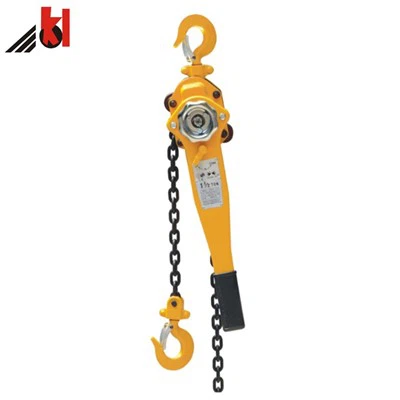
Which way should a winch pull?
A winch is a mechanical device used to pull or lift heavy objects. It consists of a drum or spool, often cylindrical in shape, around which a cable or rope is wound. The winch is powered by a motor or manual effort, and its direction of pull is a crucial factor in its effectiveness and safety. So, which way should a winch pull? Let''s explore this question in depth.
Understanding the Basics
Before we delve into the direction of pull for a winch, it''s essential to grasp the fundamental concepts and components of this device. A winch typically comprises four main parts:
1. Drum: The drum is the cylindrical-shaped core around which the cable or rope is wound. It provides a surface for the cable to wrap around, allowing it to be pulled in or let out.
2. Cable/Rope: The cable or rope is the crucial element that connects the winch to the object being pulled or lifted. It must be sturdy and capable of withstanding the forces exerted during operation.
3. Motor: The motor powers the winch and provides the mechanical force required to pull or lift objects. Winches can be electrically or hydraulically operated, providing different power capacities and speed options.
4. Control System: The control system enables the user to turn the winch on or off, control the speed and direction of pull, and ensure safe operation.
Single-line Pull: Straight Ahead
In a single-line pull configuration, the winch pulls the object directly towards the winch itself. The winch drum rotates as the cable is reeled in, effectively pulling the load in a straight line towards the winch. This configuration is the most common and straightforward way of using a winch.
Double-line Pull: Side-to-Side
A winch can also perform a double-line pull, commonly known as a snatch block configuration. In this setup, the cable is run through a snatch block, which is a pulley-like device. The snatch block effectively redirects the cable, creating a sideways pull rather than a straight-ahead one.
The double-line pull offers several advantages in specific scenarios. For instance, if a vehicle is stuck in mud or snow, a sideways pull can help overcome the resistance offered by the terrain. By changing the direction of pull, the winch maximizes its force and allows for more effective recovery.
Safety Considerations
Now that we understand the different ways a winch can pull, it''s vital to emphasize the importance of safety when operating this powerful device.
1. Anchor Point: The winch relies on a secure anchor point to operate effectively. The anchor point must be strong enough to withstand the forces exerted by the winch. Attaching the winch to an unstable or weak anchor point could lead to accidents or damage.
2. Load Path: It''s crucial to ensure that the load path is clear and free from obstacles that could impede the pulling motion. Any obstructions in the path can cause the cable to bind or snap suddenly, leading to accidents and injury.
3. Weight Capacity: Exceeding the winch''s weight capacity can strain the device, potentially causing mechanical failure. Always check the winch''s specifications and ensure that the load being pulled falls within the manufacturer''s recommended limits.
4. Personal Protective Equipment (PPE): When operating a winch, it''s essential to wear the appropriate PPE, such as gloves and safety glasses. These protective measures help safeguard against potential hazards, such as cable fraying or sudden releases.
Applications of Winches
Winches find widespread use across various industries and activities due to their versatility and strength. Some common applications include:
1. Off-Road Recovery: Winches are extensively used in off-road vehicles to recover stuck or immobilized vehicles. By attaching the winch to a secure anchor point, off-road enthusiasts can free their vehicles from difficult situations.
2. Boating and Marine: Winches assist in docking boats, launching and retrieving small vessels, and securing cargo on ships. They ensure smooth and controlled movement of heavy loads, minimizing risks and accidents.
3. Construction: Winches aid in lifting and positioning heavy construction materials, such as steel beams or concrete blocks. Their precise control allows for accurate placement and reduces the need for manual labor.
4. Forestry: Winches are utilized in the forestry industry for logging and extracting timber. They help haul trees from remote or challenging terrains, increasing efficiency and reducing workforce strain.
Maintenance and Care
To ensure the longevity and optimal performance of a winch, regular maintenance and care are necessary. Here are some crucial maintenance tips:
1. Cable Inspection: Regularly inspect the winch''s cable for signs of wear, fraying, or damage. Replace any worn-out or damaged cables promptly to prevent accidents or failure during operation.
2. Lubrication: Proper lubrication is essential to maintain smooth operations. Apply appropriate lubricants to the winch components as per the manufacturer''s recommendations.
3. Control System Checks: Regularly inspect the winch''s control system to ensure it is functioning correctly. Check for loose connections or damaged wires, and replace any faulty components immediately.
4. Cleanliness: Keeping the winch clean and free from debris is vital. Regularly remove dirt, mud, or any foreign substances that may accumulate on the winch''s components.
5. Storage: Proper storage is crucial when the winch is not in use. Ensure the winch is protected from extreme weather conditions and properly secured to prevent accidental damage or theft.
Conclusion
In conclusion, the direction of pull for a winch depends on the setup and specific requirements of the task at hand. A single-line pull is the most common and straightforward configuration, providing a straight-ahead pull. However, a double-line pull can be advantageous in certain situations, allowing for a side-to-side pull and maximizing the winch''s force.
Remember, safety is paramount when operating a winch. Always follow the manufacturer''s guidelines, inspect the equipment regularly, and wear the appropriate safety gear. By understanding the basics, applying safety considerations, and maintaining the winch adequately, you can utilize this powerful device effectively and safely in various applications.