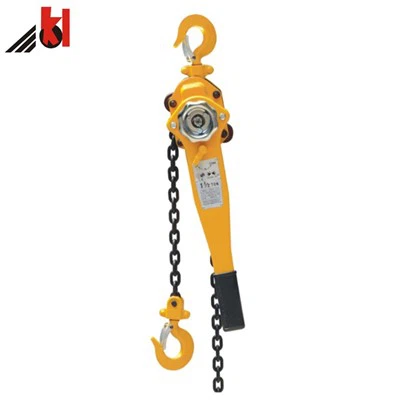
Introduction: Definition and Brief History of Trolley Beams
A trolley beam, also known as a monorail beam, is a horizontal beam designed for overhead transport of materials and other loads in industrial settings. It usually contains a track where the trolley or hoist can move back and forth, carrying heavy loads without interfering with the ground level operations.
In the past, trolley beams were mainly used in production facilities such as factories, warehouses, and mines where heavy materials needed to be transported from one location to another conveniently and safely. However, with the advancement of modern technology, trolley beams are now more commonly used in construction sites, shipping yards, and other heavy-duty industries.
Features of Trolley Beams
To understand how trolley beams work and why they are used in industrial settings, it is important to look at their unique features and benefits.
One of the major features of trolley beams is their ability to handle heavy loads. Unlike other transportation methods, trolley beams can carry a wide range of materials, including pallets, barrels, machinery components, and other bulky items that would be difficult to transport using traditional methods.
Another feature of trolley beams is their versatility. Trolley beams come in various lengths and configurations, allowing them to be customized to fit the specific needs of each industrial application. In addition, trolley beams can be installed in locations with limited space, making them an ideal solution for factories and warehouses where space is at a premium.
Types of Trolley Beams
There are several types of trolley beams available on the market today. Some of the most common types include:
1. Single-girder trolley beams: These beams consist of one horizontal girder that holds the load and a trolley that moves along the length of the beam.
2. Double-girder trolley beams: These beams consist of two horizontal girders that hold the load and a trolley that moves along the length of the beam. Double-girder trolley beams are ideal for heavier loads that require more support and stability.
3. Underslung trolley beams: These beams are suspended underneath an existing beam or structure, making them ideal for locations where there is limited overhead space.
4. Curved trolley beams: These beams are used when transporting materials around bends or corners, allowing for greater flexibility and range of motion.
Benefits of Trolley Beams
The use of trolley beams in industrial settings offers several benefits, including:
1. Increased efficiency: Trolley beams allow for faster and more efficient transportation of materials and other loads, reducing the time it takes to complete tasks and improving overall productivity.
2. Increased safety: Trolley beams operate overhead, keeping materials and loads out of the way of ground-level operations and reducing the risk of accidents and injuries.
3. Customization: Trolley beams can be customized to fit the specific needs of each industrial application, making them an ideal solution for a wide range of industries and environments.
Conclusion
In conclusion, trolley beams are an essential component in many industrial settings. They provide a safe and efficient means of transporting heavy loads, increasing productivity and reducing the risk of accidents and injuries. With the various types of trolley beams available on the market, it''s important to choose the right one that best suits the specific needs of each industrial application.