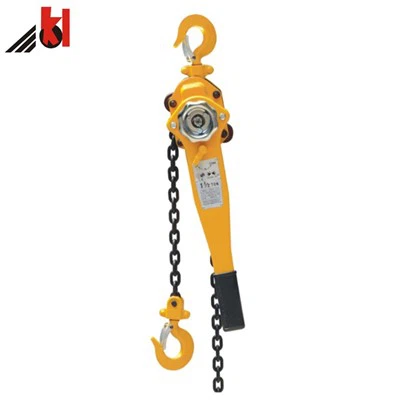
What is a chain sling used for?
A chain sling is a versatile and strong lifting device that is used in various industries for lifting and moving heavy loads. It is made up of a chain with multiple links and is commonly used in construction, manufacturing, and transportation sectors. In this article, we will explore the different types of chain slings, their components, and their various applications.
Types of Chain Slings
There are three main types of chain slings: single leg slings, double leg slings, and multiple leg slings.
1. Single Leg Slings: These chain slings consist of a single chain with a hook or fitting at one end and a master link or other attachment point at the other end. They are suitable for lifting lighter loads and are easy to handle and attach.
2. Double Leg Slings: Double leg slings have two chains that are connected to a master link at one end and fitted with hooks or other lifting devices at the other end. They are commonly used for lifting heavier loads and provide more stability and balance during lifting operations.
3. Multiple Leg Slings: Multiple leg slings have three or more chains that are attached to a master link or fitting at one end and fitted with hooks or other lifting devices at the other end. These slings are used for lifting extremely heavy loads and offer increased stability and load distribution.
Components of a Chain Sling
A chain sling is composed of several components that work together to form a safe and effective lifting system. These components include:
1. Chain Links: The chain links are the building blocks of a chain sling. They are made of high-strength alloy steel and are designed to withstand heavy loads. The links are usually oval or pear-shaped, allowing for flexibility and ease of use.
2. Fittings: Fittings include hooks, grab hooks, and eye hooks that are attached to the chain links. These fittings provide the connection points for attaching the sling to the load or lifting device.
3. Master Link: The master link is a large, thick link that connects the chain sling to the lifting equipment. It is designed to withstand high loads and provides a secure attachment point.
4. Tag: Each chain sling is required to have a tag that provides information about the sling''s capacity, size, and safety guidelines. It is essential to check the tag regularly to ensure that the sling is suitable for the intended application.
Applications of Chain Slings
Chain slings are widely used in various industries due to their strength, durability, and versatility. Some common applications of chain slings include:
1. Construction: Chain slings are used in the construction industry for lifting and moving heavy steel beams, pipes, and other construction materials. They are also used in bridge construction and demolition projects.
2. Manufacturing: In manufacturing facilities, chain slings are used for lifting heavy machinery, equipment, and assemblies. They are essential for assembly line operations, material handling, and maintenance tasks.
3. Transportation: Chain slings are often used in transportation industries, including shipping, logistics, and warehousing. They are used to load and unload cargo containers, secure heavy loads on trucks or ships, and move oversized machinery.
4. Mining: In the mining industry, chain slings are used for lifting and transporting heavy loads, such as minerals, rocks, and equipment. They are designed to withstand harsh mining environments and frequent use.
5. Utilities: Chain slings are used by utility companies for lifting and positioning utility poles, transformers, and other equipment. They are also used in electrical line maintenance and repair tasks.
Safety Considerations
When using a chain sling, it is crucial to consider safety guidelines to prevent accidents and ensure the well-being of workers. Some important safety measures include:
1. Inspection: Regularly inspect the chain sling for any signs of wear, damage, or deformities. Replace any damaged components immediately.
2. Load Capacity: Ensure that the chain sling''s load capacity is suitable for the intended load. Avoid overloading the chain sling, as it can lead to failure and accidents.
3. Proper Attachment: Attach the chain sling securely to both the load and the lifting equipment. Use appropriate fittings and follow the manufacturer''s recommendations for attachment methods.
4. Training: Provide proper training to workers who will be using chain slings. They should be aware of the safe operating procedures, load limits, and inspection requirements.
5. Storage: Store chain slings in a clean and dry environment, away from chemicals and corrosive substances. Proper storage helps maintain their strength and prolong their lifespan.
Conclusion
In conclusion, a chain sling is a valuable lifting tool used in various industries for lifting and moving heavy loads. It comes in different types, including single leg, double leg, and multiple leg slings, each suitable for different applications. By understanding the components of a chain sling and following safety guidelines, workers can ensure safe and efficient lifting operations.