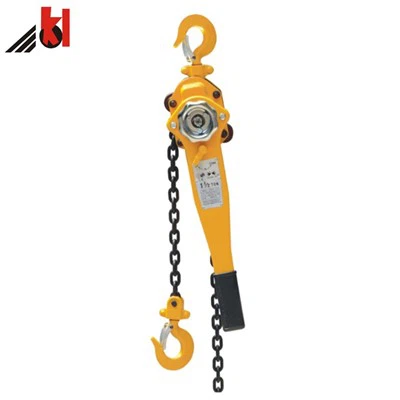
Electric hoists are divided into two types: wire rope electric hoists and chain electric hoists, which are small lifting equipment. Electric hoists have the characteristics of small size, light weight, simple operation, and convenient use. The inspection and testing methods for electric hoists after installation are as follows:
1. Check if all lubrication parts are filled with sufficient lubricating grease.
2. Is the track bonding reliable.
3. The power supply at the installation site should ensure that the input voltage of the motor during operation is not less than 90% of the rated voltage (attention should be paid to preventing excessive voltage drop due to long cables and small cross sections). Please pay attention to the phase sequence when turning on the power.
4. When the electric hoist is unloaded, connect the power supply for a forward and reverse rotation test. Check the control buttons, limiters, rope guides, and other devices. At this time, the control circuit should be correct, the running direction should be consistent with the direction indicated by the button, and all mechanisms should work normally.
5. If the steel wire rope is loose and tangled, it needs to be readjusted.
6. Start the lifting and operating mechanism at the rated load, check if the operation is normal, if the sliding distance meets the regulations, and if the reducer leaks oil.
7. The position of the stop block of the limit rod device needs to be adjusted after installation. The specific method does not need to be: to start the electric hoist with no load. When the hook rises to the high position, the rope guide touches the stop block on the right side, pushes the limit rod - limit device, cuts off the lifting circuit, and the hook stops rising. At this time, the distance between the upper end face of the pulley shell and the lower end face of the drum shell should be 50-150mm. Similarly, When the hook descends to the low position, the lowering circuit should be cut off, and the hook should stop descending. At this time, there must be 2-3 turns of steel wire rope (safety ring) left on the drum.