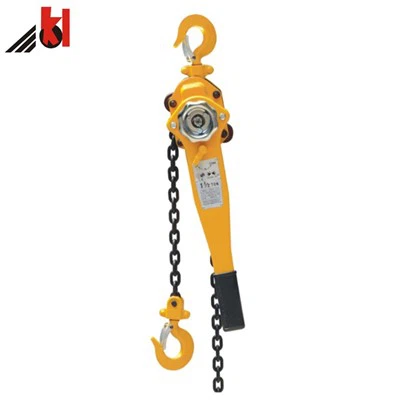
How much can a manual winch pull?
A manual winch, also known as a hand winch, is a mechanical device used to lift or pull heavy objects. It operates by using human power to turn a crank or handle, which in turn rotates a drum or spool. The drum is equipped with a wire rope or cable, and as the drum turns, the rope winds onto the drum or unwinds from it. This mechanism allows the winch to generate mechanical advantage, enabling it to lift or pull heavy loads.
The pulling capacity of a manual winch can vary depending on several factors, including the design, size, and quality of the winch, as well as the physical strength and effort exerted by the operator. Let''s explore these factors in more detail to understand how much a manual winch can pull.
Design and Size of the Manual Winch:
Manual winches come in different designs and sizes to suit various applications. The design and size influence the pulling capacity of the winch. Generally, a larger winch with a robust construction can handle heavier loads compared to a smaller winch.
One common design is the single-speed winch, which typically has a pulling capacity ranging from a few hundred pounds to a few thousand pounds. However, there are also multi-speed winches that offer variable pulling capacities. These winches have different gear ratios, allowing the operator to select the appropriate speed and strength required for the task at hand.
Additionally, the size of the drum or spool affects the pulling capacity of the winch. A larger drum can accommodate more length of the wire rope or cable, which means it can handle heavier loads.
Quality and Material:
The quality and material of the winch components also play a significant role in determining the pulling capacity. A winch made from high-quality materials, such as hardened steel, is likely to have a higher pulling capacity compared to a winch made from inferior materials.
The strength and durability of the wire rope or cable used in the winch also contribute to its pulling capacity. Wire ropes with higher tensile strength have a greater ability to withstand heavy loads without breaking or snapping. Therefore, winches equipped with high-quality wire ropes can generally pull heavier loads.
Operator Strength and Effort:
The physical strength and effort exerted by the operator are crucial factors in maximizing the pulling capacity of a manual winch. The mechanical advantage provided by the winch helps reduce the amount of force required to lift or pull a load. However, the operator must still apply sufficient force to overcome the resistance and move the load.
The force that an individual can exert on a manual winch depends on their strength, technique, and stamina. It is important for operators to use proper manual handling techniques, such as utilizing bodyweight and maintaining a stable stance, to avoid injury and maximize their pulling capacity.
Calculating the Pulling Capacity:
To determine the maximum pulling capacity of a manual winch, manufacturers conduct various tests and provide specifications based on their findings. These specifications include the maximum pulling capacity under optimal conditions. However, it is important to note that actual pulling capacity may vary in real-world scenarios due to factors such as friction, incline, and load distribution.
When selecting a manual winch, it is crucial to consider the weight of the load and choose a winch with a pulling capacity that exceeds this weight. Overloading a winch can lead to failure of the winch mechanism and pose potential safety risks.
Application and Safety Considerations:
Manual winches are used in a wide range of applications, including but not limited to forestry, construction, marine, and recreational activities. It is essential to choose a winch that is appropriate for the specific application and environment.
Before using a manual winch, it is crucial to understand the manufacturer''s instructions and precautions. Regular maintenance and inspection of the winch, including checking the wire rope for signs of wear and tear, are necessary to ensure safe operation.
Safety precautions, such as wearing appropriate protective gear (gloves, goggles, etc.) and securing the load properly, should always be followed to prevent accidents and injuries.
Conclusion:
A manual winch is a versatile tool capable of lifting or pulling heavy objects. Its pulling capacity is influenced by factors such as design, size, quality, operator strength, and effort. By considering these factors and following safety guidelines, individuals can effectively and safely utilize a manual winch for various applications. Remember to always choose a winch with a pulling capacity that exceeds the weight of the load to ensure safe and successful operation.