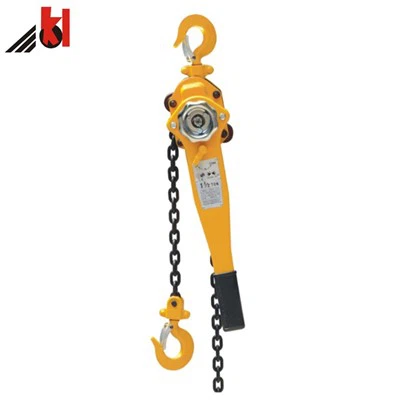
Can you use an ATV winch as a hoist?
An ATV winch is a powerful device commonly used for pulling heavy loads and getting vehicles out of tricky situations. It consists of a motor, drum, and cable or rope, which is wound around the drum. The winch is typically mounted on the front or rear of an all-terrain vehicle (ATV) and can be controlled remotely.
While an ATV winch is primarily designed for pulling, many people wonder if it can be used as a hoist. A hoist, on the other hand, is a device used for lifting or raising heavy objects vertically. It is generally attached to a fixed or movable support and uses a mechanical or electrical system to lift loads.
The Functionality of an ATV Winch
To understand whether an ATV winch can be used as a hoist, it''s important to have a clear understanding of how it functions. An ATV winch operates by reeling in or letting out the cable or rope, which is wound around the drum. This action is powered by the motor of the winch.
The winch''s cable or rope is attached to the load or object that needs to be pulled. As the motor turns the drum, the cable or rope winds around it, exerting force and pulling the load towards the ATV. The winch is typically equipped with a spooling mechanism that allows the cable or rope to be reeled in evenly and neatly.
ATV winches are generally rated based on their maximum load capacity, expressed in pounds or kilograms. The rated capacity determines how much weight the winch can pull. It is important to note that an ATV winch is primarily designed for horizontal pulling rather than vertical lifting.
Differences Between Pulling and Lifting
Pulling and lifting are two distinct mechanical actions, each requiring different types of equipment. While both actions involve the movement of loads, there are significant differences in the forces and techniques involved.
Pulling involves moving an object in a horizontal direction. In this case, the force is primarily exerted in the pulling direction, and the weight of the load acts as resistance. ATV winches excel at this task, as they are specifically designed to apply force in the pulling direction and handle heavy loads.
Lifting, on the other hand, requires raising an object vertically. In this case, the force is applied vertically against the force of gravity. Lifting heavy objects requires specialized devices such as cranes, hoists, or forklifts, which are designed to apply force in an upward direction.
Limitations of ATV Winches
Due to the fundamental differences between pulling and lifting, an ATV winch has several limitations when it comes to using it as a hoist. These limitations include:
1. Load Capacity: ATV winches are typically rated based on their pulling capacity, which is significantly different from their lifting capacity. The pulling capacity is a measure of the force that the winch can exert in the horizontal direction. Attempting to lift a load using an ATV winch may exceed its lifting capacity, leading to potential damage or failure.
2. Rigging Requirements: Lifting heavy objects often requires specific rigging techniques, including the use of slings, hooks, or chains. ATV winches are not designed with these rigging features, making it challenging to properly secure and lift loads.
3. Stability and Control: Lifting heavy objects can be a delicate operation, requiring precise control and stability. ATV winches, due to their design and mounting on an ATV, may not provide the necessary stability and control needed for safe lifting operations.
4. Safety Concerns: Lifting heavy objects can be dangerous if not done properly. It requires knowledge, training, and appropriate equipment to ensure the safety of both the operator and the load being lifted. ATV winches are not specifically designed to meet the safety requirements of lifting operations.
Alternatives to Using an ATV Winch as a Hoist
If you need to lift heavy objects vertically, it is recommended to use devices specifically designed for lifting, such as hoists or cranes. These devices are engineered to handle the forces involved in lifting and provide the necessary stability and control for safe operations.
There are several types of hoists available, including manual chain hoists, electric chain hoists, and wire rope hoists. The selection of the appropriate hoist depends on the load capacity, lifting height, and specific application requirements.
Hoists generally consist of a motor or manual mechanism, a lifting mechanism such as chains or wire ropes, and various safety features. They are designed to provide controlled vertical movement and can handle heavier loads compared to ATV winches.
Conclusion
While an ATV winch is a versatile and powerful tool for pulling loads horizontally, it is not suitable for use as a hoist. The fundamental differences in pulling and lifting actions, as well as the limitations of ATV winches in terms of load capacity, rigging requirements, stability, and safety concerns, make them unsuitable for vertical lifting operations.
When it comes to lifting heavy objects vertically, it is crucial to use equipment specifically designed for that purpose, such as hoists or cranes. These devices are engineered to ensure safety, provide stability, and handle the forces involved in lifting operations, making them the preferred choice for vertical lifting tasks.